

Notes we’d send a friend
Updates from projects we're working on and lessons we're learning.
Sent when there's actually something to say.
.webp)
You can write a perfect blog post, nail your keywords, and optimize every technical detail. But if you're compiling information from other blogs instead of documenting real work, you won't rank in 2026.
Google's December 2025 Core Update changed everything. Real experience became one of the most heavily weighted ranking signals across nearly every niche. The content that wins now comes from people who've actually done the work, not those who've just read about it.
This article shows you how to demonstrate real, documented experience that Google recognizes, rewards, and readers trust.
Google added "Experience" to E-E-A-T in December 2022. Three years later, the December 2025 Core Update made it critical. It dramatically increased Experience's weight and expanded E-E-A-T requirements from just health and finance to nearly all competitive niches.
Before December 2025:
After December 2025:
What you're losing without demonstrated experience:
The shift: Experience became one of the hardest E-E-A-T factors to fake in the AI era—and Google weighted it accordingly. AI can mimic expertise (cite sources), authority (backlinks), and even trust signals. But authentic failures, unexpected insights from real testing, and context-dependent knowledge? That only comes from actually doing the work.
Google's search algorithm prioritizes sites that demonstrate real-world involvement over those that simply compile information well.
The bottom line: Technical SEO and keywords get you in the game. When dozens of sites have solid optimization, demonstrated experience wins it.
Experience isn't just a Google ranking signal anymore. In 2026, the same principles determine whether AI chatbots cite you, YouTube recommends you, and social platforms amplify your content.
AI models (ChatGPT, Perplexity, Gemini) cite sources based on documented experience, not just authority.
The pattern: AI models recognize authentic failures, unexpected insights, and context-dependent knowledge—details that come only from hands-on experience.
In 2026, citation = the new rank.
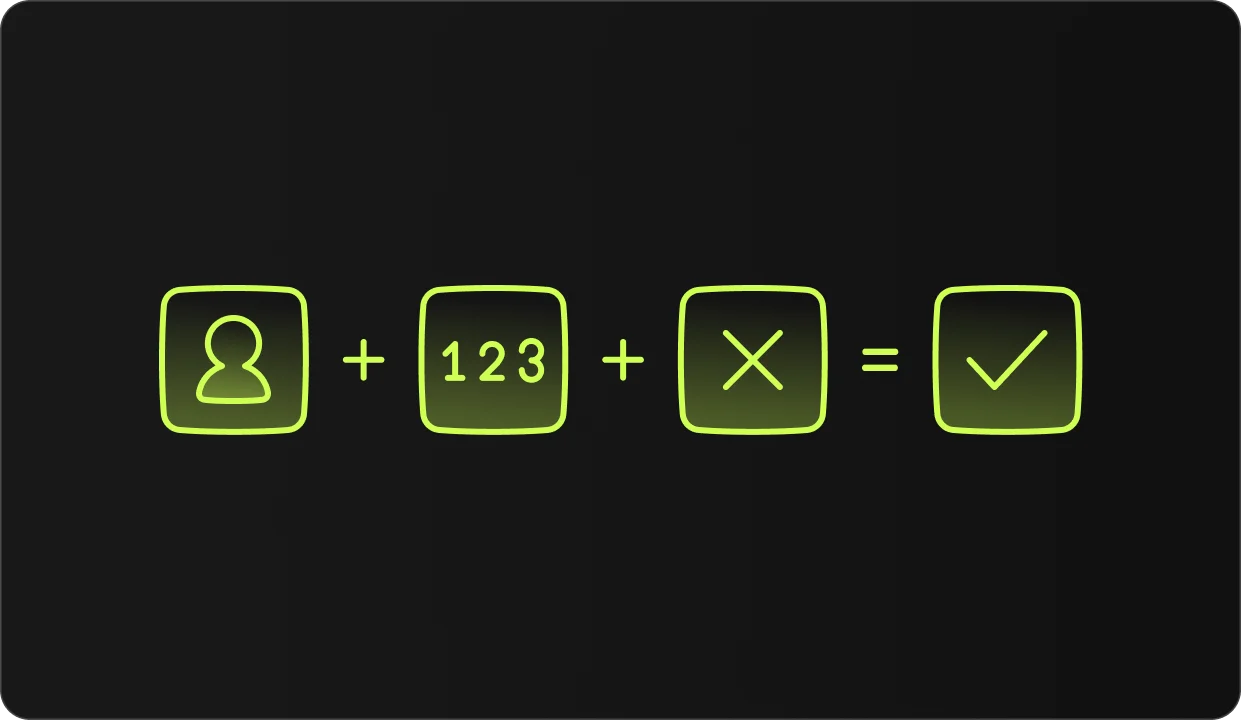
The universal principle: First-person + real numbers + honest outcomes = visibility across platforms.
Whether it's Google page 1, ChatGPT's source list, YouTube recommendations, or viral TikTok—experience decides who gets seen.
Experience isn't about credentials or degrees. It's about direct, hands-on involvement with what you're writing about. One of the four core elements of E-E-A-T that Google evaluates.
The pattern? First-person + real numbers + honest outcomes. Whether it's your first burned batch or your 100th perfect plate—what matters is you actually did it and documented it truthfully.
The difference? Real experience comes with specific numbers, unexpected challenges, and honest failures. Things you only discover by doing the work yourself.
The Experience Formula:
First-person + Real numbers + Honest outcomes = Content Google (and AI) recognizes
That authenticity is what Google recognizes and what AI cannot replicate: real human experience.

Experience isn't limited to the digital world. It's a universal signal. If you've actually done something with your hands or mind, it shows in the details, numbers, failures, and exceptions. Whether you're an SEO specialist, electrician, or baker, the principles below apply everywhere.
Google's algorithms look for specific signals that indicate genuine expertise. The same principles that separate authoritative content from surface-level articles.
Generic: "Proper wiring is essential for home safety and should follow local codes."
Experience-driven: "I rewired 12 old apartments last year. The biggest issue? Hidden junction boxes behind drywall. I found 8 live connections just taped together. No junction boxes at all. Now I always use a stud finder to scan walls before closing them up. One €15 tool prevented potential fires."
First-person alone isn't enough. You need first-person + concrete details that only someone who's done the work would know.
Generic: "Language learning takes consistent practice."
Experience-based: "I tutored 23 students in English last year. Beginners who practiced 15 minutes daily saw progress in 6 weeks. Students who crammed 2 hours on weekends? No visible improvement after 3 months. Consistency beats volume every time."
Real experience includes ranges, timelines, and context from actual projects. Not generic statements.
Generic: "Follow these steps for successful sourdough bread."
Experience-based: "My first 5 sourdough loaves were dense bricks. I was using cold water straight from the tap. Once I switched to lukewarm water (around 28°C), the dough doubled in size. Temperature matters more than I thought."
Real expertise includes what didn't work and why. Perfect tutorials that skip challenges sound like compiled information, not lived experience.
Stock approach: Generic "before and after" photos from Google
Experience signal: Photos from your actual projects. Cracked tiles you replaced. Wiring you rewired. Furniture you built. Even phone photos with dates show you did the work.
Original visual documentation is one of the strongest experience signals. Google can detect stock images vs. authentic work photos. You don't need a professional camera. A phone with date and time stamps works.
Generic advice: "Daily practice is best."
Real experience: "I trained 15 clients for marathons. Daily running worked for 3 younger runners. But for clients over 40, rest days mattered more. Five days per week with proper recovery beats seven days with injuries. Age changes everything."
Real experience includes knowing when standard advice doesn't apply.
Pick your most recent blog post. Find one vague statement. Replace it with a number from your work.
One real number = immediate authenticity boost.

Here's the truth: you can't build real expertise by reading other blogs.
But you don't need years of experience to write authentically. Here's what actually matters.
Don't wait until you have "enough" experience. Document what you're doing right now.
An electrician writing "I rewired 3 houses and discovered why old aluminum wiring fails" beats a generic electrical guide. A baker documenting "I tested 4 flour brands for sourdough, and here's what rose best" beats compiled baking tips. A tutor sharing, "I helped 5 students improve grades using this method" beats theoretical teaching advice.
Real work from your field, no matter how small, outranks compiled information.
Writing about 2023 tactics in 2026? That's outdated information doing more harm than good.
This applies to every industry. Marketing strategies change. Fitness science evolves. Cooking techniques improve. Construction codes update. Software gets new features. Real experts test what's new, update their old content, and admit when things have changed. Staying current isn't optional. It's what separates real practitioners from people recycling old information.
Surface content says, "Do this." Experience explains the mechanism behind it.
"I tried 5 different watering schedules for my tomato plants. Daily watering killed 3 plants because the soil stayed too wet and the roots rotted. Watering every 3 days worked because the soil had time to dry out between sessions. Clay soil needs less water than sandy soil."
Show the testing, results, and reasoning. Not just instructions.
Generic advice works sometimes. Real experience knows the exceptions.
"Everyone says to stretch before running. I tried it with 8 beginner clients. Three got injured anyway. Then I switched to dynamic warm-ups instead of static stretching. Zero injuries in the next 12 clients. What works for experienced runners doesn't always work for beginners."
Context beats rules every time.
.webp)
Triad Vacation Rentals is a short-term rental property management company in North Carolina. They're experts in their field. They manage properties across multiple platforms, navigate regulations, and understand what actually makes hosts profitable.
We helped them document that expertise through consistent blog content. Over 5 months, we published 40+ articles covering platform fee comparisons, regulatory guides, market reports, and real host case studies. In January 2026, we published their comprehensive platform fee breakdown—real payout calculations, fee structures, and insights they learned from managing actual properties.
The site had 5 months of SEO history.
8 weeks later, ChatGPT started citing them.
Why? Because Triad manages these properties daily and we documented that expertise across 40+ pieces of content. ChatGPT recognized authentic, hands-on knowledge—not from one article, but from a body of work proving real expertise.
Before the update, Triad averaged 120 organic sessions per month. After ChatGPT started citing them, AI referral traffic jumped to 72 sessions in the first month alone—a 60% increase in total traffic driven purely by citation visibility.
[Read the full ChatGPT citation story]
Real expertise gets recognized, even on new domains.
Keywords make you discoverable. Experience makes you an authority.
Keyword research, technical optimization, and proper structure are essential. They're the foundation. But when Google chooses between your article and 50 others targeting the same keyword, authentic expertise is the deciding factor.
The bloggers and content creators who succeed in 2026 are those who:
The question isn't "How do I rank for this keyword?"
The question is "Have I actually done what I'm writing about?"
Google's algorithms and AI answer engines detect the difference between real expertise and compiled information. In 2026, authenticity isn't optional. It's what determines who ranks at the top.
Be the source others cite. Not another echo.
Experience means you've actually done what you're writing about. Not just researched it. It's the difference between someone who's managed 20 client campaigns versus someone who compiled "best practices" from marketing blogs. Scale doesn't matter. Your first failed campaign with real lessons beats invented perfection.
Google looks for first-person language, specific numbers from real projects, failures you've learned from, original photos, and understanding of when standard advice doesn't apply. AI content and compiled research rarely include these signals authentically.
No. Experience is about hands-on work, not degrees. A freelancer who's run 15 Google Ads campaigns and documented what worked has more experience than someone with a marketing certificate who's never managed a real client budget.
Yes, but be honest about it. Either document your learning journey as a beginner, interview real experts and cite them properly, or narrow your scope to what you have done. Don't pretend to have experience you lack. That's where content fails.
You can document experience from a single project if you go deep enough. "I tested 3 email subject line formats across 500 subscribers and here's what happened" is valuable content if you're honest and specific. Start where you are. Authenticity matters more than scale.
Go narrower. Instead of "complete guide to email marketing," write about one specific thing you've done deeply. Like "I A/B tested 4 CTA button colors across 1,200 emails: here's what converted best." Narrow, deep, authentic experience beats broad, shallow claims every time.
Yes. Failures are some of the strongest experience signals. "I ran Facebook Ads for 3 months and lost $800 before I realized my targeting was too broad" is more valuable than "here's how to run Facebook Ads" without context. Authentic failures show you actually did the work.
Yes — AI can help with structure, grammar, or ideas. But the core of the article (tests, numbers, failures, unexpected details, original photos) must be yours. Google doesn't penalize AI assistance; it penalizes content without proven experience.
Updates from projects we're working on and lessons we're learning.
Sent when there's actually something to say.