


Notes we’d send a friend
Updates from projects we're working on and lessons we're learning.
Sent when there's actually something to say.

When someone needs a product or service, they don't just ask one person for a recommendation. They go to Google and search. They compare options. They read reviews. They evaluate who seems most credible, most relevant, most trustworthy.
In that critical moment—when they're actively looking for what you offer—you need to be visible.
If you're not among the search results, you don't exist to them. They'll find your competitor instead. Not because your competitor is better, but because they were visible when it mattered.
Here's why SEO is more important than ever in 2026:
• Over 91% of all global searches happen on Google. The next closest competitor? Bing, with just 3%. Google essentially is the internet for most people.
• Around two-thirds of searches (over 65%) happen on mobile devices—while people are commuting, standing in stores, or sitting in waiting rooms. If your website isn't visible when potential customers are actively looking, they'll never know you exist.
• AI Overviews are changing search. Google's AI-generated summaries now appear on 20-30% of searches globally (even higher in some industries and regions). This changes the game: instead of just ranking, you need to become the authoritative source that AI cites. With zero-click searches often exceeding 40-60% when AI Overviews appear—and in some cases reaching as high as 90%—sites that are referenced as sources gain significant credibility and traffic from users seeking deeper expertise. The bar for quality content just got higher.
This is where SEO comes in. And this guide will show you exactly what it is and why it matters.
SEO stands for Search Engine Optimization. It's the process of improving your website so it appears higher in search engine results when people search for products, services, or information related to your business.
Think of it this way: When someone types a query into Google, the search engine has to decide which websites to show—and in what order. SEO is how you influence that decision in your favor.
But here's what SEO is not:
• It's not paying for ads. That's PPC (pay-per-click) advertising. SEO focuses on earning organic (non-paid) visibility.
• It's not a one-time fix. SEO is an ongoing process. Search engines constantly update their algorithms, and competitors are always working to outrank you.
• It's not manipulation or tricks. Modern SEO is about creating genuinely helpful content and providing great user experiences. Shortcuts don't work anymore—they actively harm your rankings.
SEO means showing up when customers are actively searching for solutions you provide. It means:
• Free, ongoing traffic to your website
• Visibility when purchase intent is highest
• Building authority and trust in your industry
• Sustainable growth that compounds over time
Unlike paid advertising that stops working the moment you stop paying, SEO creates an asset that continues generating value month after month, year after year.
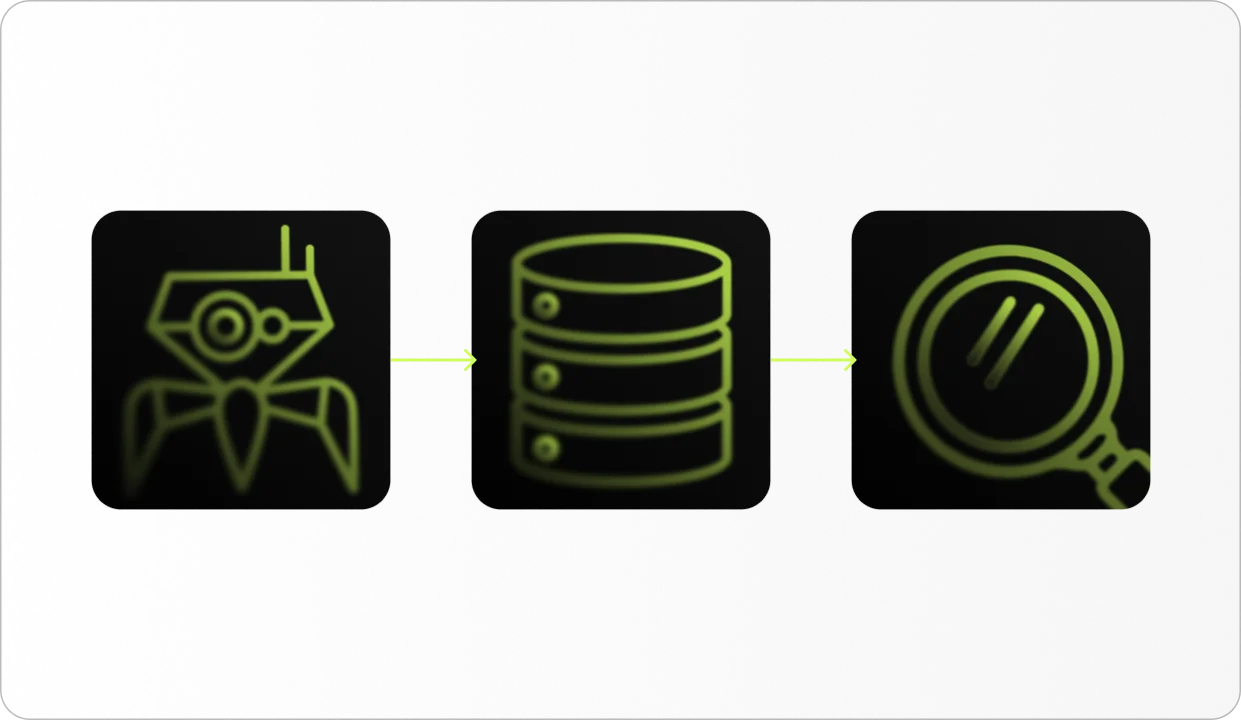
To understand SEO, you need to understand how search engines work. While Google keeps the exact details secret, the basic process is well-understood:
Google uses automated bots (called "crawlers" or "spiders") to discover and visit web pages. These bots follow links from page to page, constantly discovering new and updated content across the internet.
After crawling a page, Google analyzes its content—text, images, video files—and stores this information in a massive database called the index. Think of it as Google's library of the entire web.
When someone searches, Google's algorithm evaluates hundreds of ranking factors to decide which pages from its index to show, and in what order. This happens in milliseconds.
What are these ranking factors? Google uses over 200 signals, but here are the most important ones:
• Relevance: Does your content match what the searcher is looking for?
• Authority: Is your website trusted and credible in your field?
• User Experience: Is your website fast, mobile-friendly, and easy to navigate?
• Content Quality: Is your content comprehensive, well-written, and genuinely helpful?
• Freshness: Is your content up-to-date and current?
SEO is the practice of optimizing these factors so search engines choose to show your website over competitors.

SEO breaks down into three main categories. Each is essential, and all three work together:
On-page SEO means optimizing individual pages for specific keywords and user intent. This is the foundation—you control every aspect directly.
Key elements include:
• Title Tags & Meta Descriptions: Every page needs optimized titles and descriptions that tell both users and Google what the page is about. Done right, these increase click-through rates from search results significantly.
• Content Quality: Your content must answer the searcher's question comprehensively and clearly. Thin, generic content doesn't rank anymore.
• Content Structure & Headers: How you organize content matters. Proper heading hierarchy (H1, H2, H3) helps Google understand your content structure and improves user readability.
• Keyword Usage: Using relevant keywords naturally throughout your content helps Google understand what topics you cover. But keyword stuffing—forcing keywords awkwardly into text—actively harms your rankings.
• URL Structure & Internal Linking: Clean URLs and strategic internal links help Google crawl your site efficiently and distribute authority across important pages.
The challenge: Optimizing dozens or hundreds of pages consistently while maintaining quality. This is where strategic SEO implementation makes the difference.
Off-page SEO is about building your website's authority and reputation across the web. The most important factor here is backlinks—links from other websites to yours.
Why do backlinks matter so much? Because Google treats them like votes of confidence. When reputable websites link to you, they're essentially saying, "This content is valuable and trustworthy."
But not all backlinks are equal:
• A link from a highly authoritative site in your industry (like a major industry publication or .edu/.gov domain) carries massive weight.
• A link from a low-quality, spammy site can actually hurt your rankings.
• The anchor text—the clickable text in a link—matters. Natural, descriptive anchor text is best.
Building high-quality backlinks requires creating content that others naturally want to reference, building relationships in your industry, and earning recognition as a trusted authority. This takes time and genuine expertise—there are no shortcuts that work long-term.
Technical SEO is the foundation everything else builds on. Without proper technical SEO, even the best content won't rank well.
Key technical factors:
• Site Speed: Slow sites lose rankings and visitors. Google explicitly uses page speed as a ranking factor.
• Mobile-Friendliness: With around two-thirds of searches happening on mobile devices, Google prioritizes mobile-friendly sites. If your site doesn't work well on phones, you're losing rankings.
• Site Architecture: Google needs to crawl and understand your site structure. Poor navigation or buried content means pages won't be found and indexed.
• Technical Errors: Broken links, duplicate content, indexing issues—these problems prevent search engines from properly accessing and ranking your site.
These technical elements require specialized tools and expertise to diagnose and fix properly. One misconfigured robots.txt file can hide your entire website from Google.
In 2022-2025, Google increasingly emphasized E-E-A-T as a core ranking framework:
• Experience: Does the content creator have real, firsthand experience with the topic?
• Expertise: Does the creator have the necessary knowledge and skills?
• Authoritativeness: Is the creator or website recognized as a go-to source in the field?
• Trustworthiness: Is the website legitimate, secure, and transparent?
For example: A blog about home renovation written by a contractor with 20 years experience will typically outrank one written by a content writer with no construction background—even if the writing quality is similar. Real experience matters now.
• Author credentials and detailed bios
• Backlinks from authoritative industry websites
• Consistent, high-quality content published over time
• Real expertise demonstrated through content depth and accuracy
• Trust signals like client testimonials, case studies, and secure website infrastructure
Building E-E-A-T isn't a quick fix—it's earned through consistently publishing authoritative content and establishing yourself as a trusted voice in your industry. In our work with clients across industries, we've consistently seen that pages with clearly demonstrated author expertise rank faster and are more likely to be cited in AI Overviews.
• Identical title tags across dozens of pages → Google struggles to understand which pages matter most, hurting your rankings across the board
• Meta descriptions that are either missing or exceed 160 characters → you lose potential clicks because descriptions get cut off in search results
• Multiple H1 headings on a single page → confuses both users and Google about what the page is actually about
• Heading hierarchies that skip levels (jumping from H1 directly to H3) → makes content harder to read and signals poor structure to search engines
These mistakes look minor in isolation, but they often mean the difference between steady growth and stagnation. Getting these basics right signals to Google that your site is professionally managed and worth ranking.

AI is transforming search in fundamental ways.
Google now shows AI-generated summaries for 20-30% of searches globally (with rates reaching even higher in the US and for complex queries), sitting right at the top of results. These AI Overviews synthesize information from multiple sources.
This changes the game entirely. Instead of just ranking well, you need to become the authoritative source that AI cites. Research shows that when AI Overviews appear, zero-click searches often exceed 40-60%—and in some cases reach as high as 90%. Users get their answer directly from the AI summary without clicking through to any website.
• Quality over quantity wins. Thin, generic content gets buried. Deep expertise and demonstrated experience are essential.
• Being cited matters more than ranking. Sites referenced in AI Overviews gain authority and attract the most valuable visitors—those seeking deeper expertise beyond the summary.
• Structure and clarity are crucial. Clear, well-organized content is more likely to be used as a source.
• E-E-A-T is more important than ever. Google prioritizes content from genuine experts and experienced practitioners. Studies show that 76% of citations in AI Overviews come from pages already ranking in the top 10 organic results.
Tools like ChatGPT, Perplexity, and Claude are changing how people find information. But they still cite and link to web sources—meaning SEO remains crucial for visibility across all platforms.
The bottom line: AI makes high-quality SEO more important, not less. The businesses that understand how to optimize for both traditional search and AI citations will dominate their industries.
Let's clear up some widespread misconceptions:
Reality: This myth resurfaces every few years, yet organic search remains the largest source of website traffic for most businesses. What's changed is that low-effort SEO tactics no longer work. Quality and expertise matter more than ever.
Reality: Keyword stuffing—cramming keywords unnaturally into your content—was a tactic from 15 years ago. Today's algorithms are sophisticated enough to understand context and natural language. Overusing keywords will hurt your rankings, not help them.
Reality: Ranking #1 for irrelevant keywords is worthless. SEO is about attracting the right traffic—people who actually need what you offer and are ready to take action. A #5 ranking for a highly relevant keyword often drives more valuable traffic than a #1 ranking for something tangential.
Reality: SEO is a long-term strategy. Most businesses see meaningful results in 3-6 months, with compounding benefits over time. Anyone promising immediate results is either lying or using tactics that will get your site penalized.
Reality: Modern SEO is about creating genuinely helpful content and providing great user experiences. Old manipulation tactics (keyword stuffing, link schemes, cloaking) not only don't work—they actively harm your rankings. Google's algorithm is sophisticated enough to detect and penalize manipulation attempts.

One of the biggest mistakes businesses make is having unrealistic expectations about SEO. Here's what actual SEO results look like:
You're conducting technical audits, fixing issues, researching keywords, and creating initial content. You might see small ranking improvements, but major traffic growth is unlikely yet. This phase is about setting the foundation for future success.
You should start seeing more pages ranking and traffic increasing. Some long-tail keywords (specific, less competitive phrases) might rank on page one. This is when SEO starts showing ROI.
With consistent effort, you should see significant traffic increases, more competitive keywords ranking, and measurable business impact (leads, sales, whatever your goals are). This is when SEO becomes a primary growth channel.
SEO's power is in compounding. Each piece of optimized content, each earned backlink, each technical improvement builds on the last. Established sites with strong SEO can dominate their niche for years.
• Competition level: Ranking in a saturated market takes longer than in a niche with less competition
• Website age and authority: New sites take longer to build trust with search engines
• Resource investment: More time and expertise applied = faster results
• Content quality and quantity: Publishing one blog post a month vs. ten makes a massive difference
If you're ready to invest in SEO, here's where to begin:
Run a technical audit to identify issues. Check your current rankings and traffic baseline. Understand where you stand before making improvements.
Don't guess—research what your customers actually search for. Focus on keywords with realistic competition levels and clear business value.
Address site speed, mobile usability, and crawl errors before creating new content. Technical problems will undermine everything else.
Develop content that genuinely helps your target audience. Answer their questions comprehensively. Demonstrate real expertise and experience.
Earn backlinks through great content and industry relationships. Build your reputation as a trusted source. This can't be rushed, but it compounds powerfully.
Here's the fundamental truth about SEO: When someone searches for exactly what you offer, you either show up—or your competitor does.
SEO isn't about gaming algorithms or finding shortcuts. It's about making your website more visible to the people actively searching for what you provide. It's about building real authority and trust in your field. And it's about creating content that genuinely helps people.
Yes, SEO takes time. Yes, it requires expertise and ongoing effort. But unlike paid advertising that stops working the moment you stop paying, SEO builds compound returns over time. The traffic you earn through SEO keeps flowing—often for years—long after the initial work is done.
The businesses that dominate their industries online aren't necessarily the ones with the biggest budgets. They're the ones who invested in SEO early, stayed consistent, and built genuine authority in their field.
The question isn't whether SEO is worth it. The question is: Can you afford not to invest in it while your competitors are?
Months 1-3: Foundation building (no major results expected). Months 3-6: First rankings appear (initial traction). Months 6-12: Significant leads and revenue (SEO becomes primary growth channel). Timeline depends on competition level and your current website authority.
AI Overviews cite sources—they don't replace them. Sites cited in AI summaries gain significant credibility and traffic from users seeking deeper expertise. Being a source matters more than ranking #1. Without SEO optimization, you won't be cited at all.
Yes. Technical issues (site speed, mobile-friendliness, crawl errors, duplicate content) undermine everything else. One misconfigured robots.txt file can hide your entire website from Google. Fix technical foundation first, then create content.
Yes, initially. On-page SEO (quality content, keyword optimization, proper structure) can get you rankings. But for competitive keywords, backlinks matter—they signal authority to Google. Link building comes later; on-page comes first.
Google uses 200+ ranking factors. The biggest differentiators: relevance of your content, website authority (backlinks + brand recognition), user experience (speed, mobile-friendliness), and demonstrated expertise (E-E-A-T). Your competitor likely has better signals in some of these areas.
Backlinks are "votes of confidence" from other websites. You can rank for some keywords with great content alone, but competitive keywords require backlinks. Quality backlinks from authoritative sites carry massive weight. Long-term authority requires both.
Absolutely. Competitive markets take longer to rank in (6-12+ months), but early investment compounds over time. Sites that invested in SEO early dominate their niches for years. Can you afford NOT to invest while competitors are?
Create high-quality, comprehensive content that demonstrates real expertise and firsthand experience. Build backlinks from authoritative sites. Develop author credentials and detailed bios. Consistency matters—Google prioritizes sources with proven expertise over time. Being cited in AI Overviews takes 6-12+ months of strong E-E-A-T signals.
Updates from projects we're working on and lessons we're learning.
Sent when there's actually something to say.